
What Is a Traffic Accommodation Strategy (TAS)? A Guide for Alberta Projects
TrafficIQ · · 4 min read
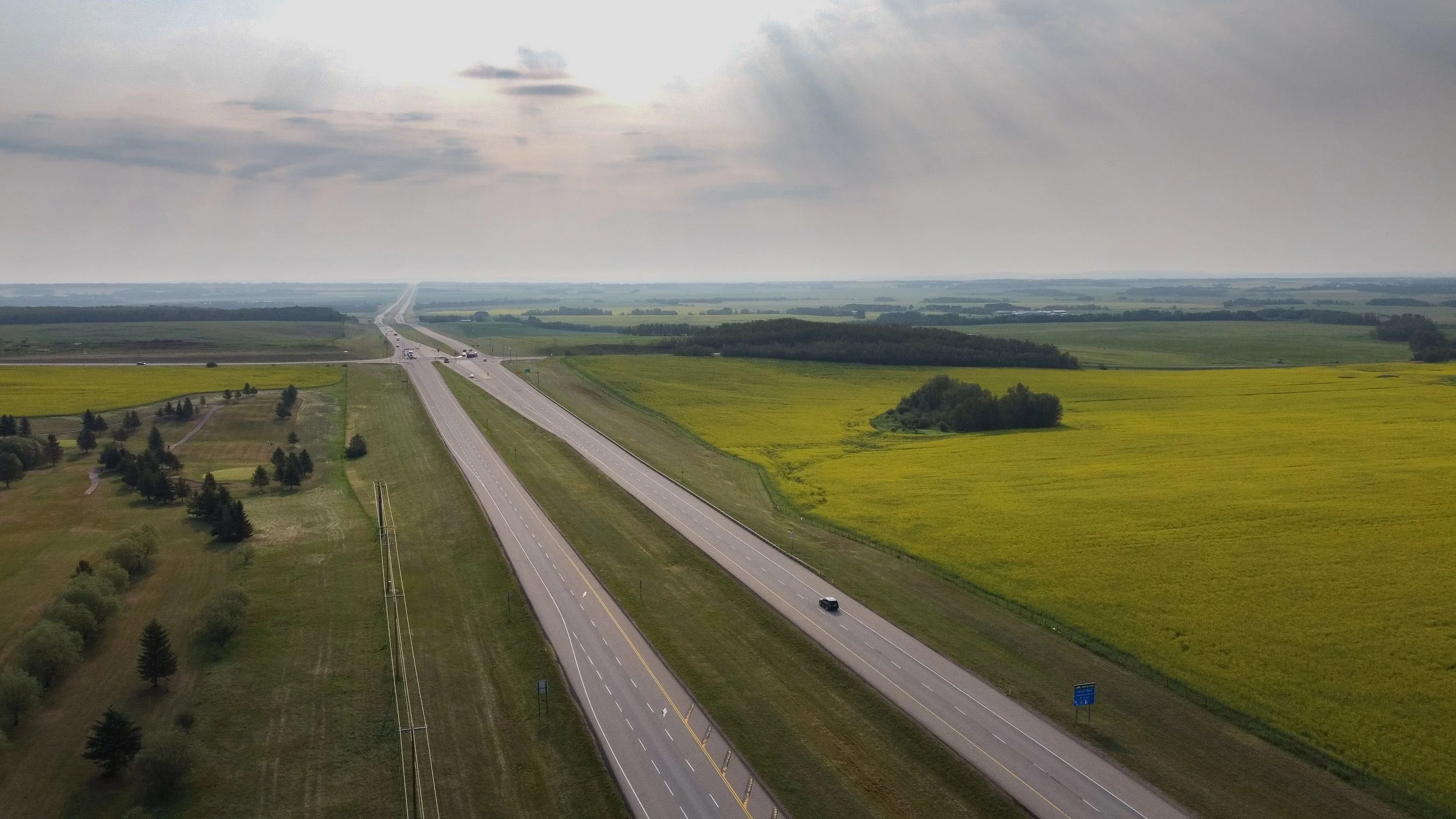
If you are working on or beside an Alberta highway, sooner or later someone will ask for your TAS. A Traffic Accommodation Strategy is the document that shows how traffic will be managed safely around your work zone, and without an acceptable one, the work doesn't start. This guide covers what a TAS is, when you need one, what goes into it, and how it compares with the plans required on city roads and in BC.
What is a Traffic Accommodation Strategy?
Alberta Transportation and Economic Corridors defines a Traffic Accommodation Strategy as the plans and written procedures describing the traffic accommodation activities for work within the highway right-of-way. In plain terms, it is the drawings plus the written procedures for everything that affects traffic while the work is underway.
The requirements come from the province's Traffic Accommodation in Work Zones manual, which applies to work carried out under the department's contracts, agreements, permits and authorizations. The current edition is 2025.
When do you need a TAS?
A TAS is required for work within the right-of-way of a provincial highway. That includes:
- Highway construction and rehabilitation contracts
- Highway maintenance work
- Utility installation and repair within the highway right-of-way
- Survey, testing and inspection work that takes place outside a contractor's work zone
For unplanned maintenance and emergency work, the manual allows generic strategies that cover the activities you expect, rather than a site-specific plan for every call-out.
What goes into a TAS?
A complete TAS typically includes:
- Drawings showing the temporary signs and other traffic control devices for each stage of the work.
- Installation and removal procedures for signs and devices, including the order they go up and come down.
- Emergency vehicle access through or around the work zone.
- Night operations, including lighting and visibility measures if work continues after dark.
- Detours, where traffic is routed off the highway.
- Non-typical situations that the manual's standard drawings don't cover, such as unusual geometry, interchanges or staged work.
The strongest strategies are built from a site visit, not a template. Traffic volumes, speed, sight lines, access points and pedestrian activity all affect what the setup needs to be.
Who prepares and approves a TAS?
On department contracts, the contractor normally develops the TAS and submits it for review before work starts. Utility companies submit their own strategies for work in the highway right-of-way, and consultants doing independent survey or testing work prepare theirs. Review runs through the project's consultant or the department representative, depending on the type of work. Submit early: a strategy that comes back with comments delays your start date.
TAS vs. TAP vs. TMP: which plan do you need?
The name and the rules change depending on whose road you are working on:
| Where the work is | Plan you need | Standard it follows |
|---|---|---|
| Alberta provincial highways | Traffic Accommodation Strategy (TAS) | Traffic Accommodation in Work Zones (Alberta) |
| City of Edmonton roads | Traffic Accommodation Plan (TAP) with an OSCAM permit | City of Edmonton Manual of Temporary Traffic Control |
| City of Calgary roads | Temporary Traffic Control Plan (TTCP) with a street use permit | City of Calgary Temporary Traffic Control Manual |
| BC roads | Traffic Management Plan (TMP) | BC Traffic Management Manual for Work on Roadways |
Two city-level details matter here. In Edmonton, plans for roads posted at 70 km/h or higher must be authenticated by a professional engineer. In Calgary, since July 13, 2026, only firms and engineers holding a City temporary traffic control permit may design, set up or authenticate traffic control plans in City right-of-way.
Tips for a TAS that gets approved the first time
- Start from the manual's typical layouts, then document every place your site differs from them.
- Show sign spacing, taper lengths and buffer zones for the posted speed, not the speed you expect traffic to travel.
- Explain how the setup changes between work stages and between day and night.
- Name who is responsible for inspecting and maintaining the devices during the work.
- Update the strategy whenever the scope or site conditions change, and resubmit where required.
How TrafficIQ can help
TrafficIQ prepares site-specific Traffic Accommodation Strategies for Alberta projects and Traffic Management Plans for BC, then carries the plan through to the field with certified traffic control persons and equipment. See our Traffic Management page or request a quote with your project scope.
Last reviewed September 2026. Always work from the current edition of the manual that applies to your road authority.
Sources: Government of Alberta, Traffic Accommodation in Work Zones; Traffic Accommodation in Work Zones (2025); City of Calgary, Street Use Permit.